

Quick answer
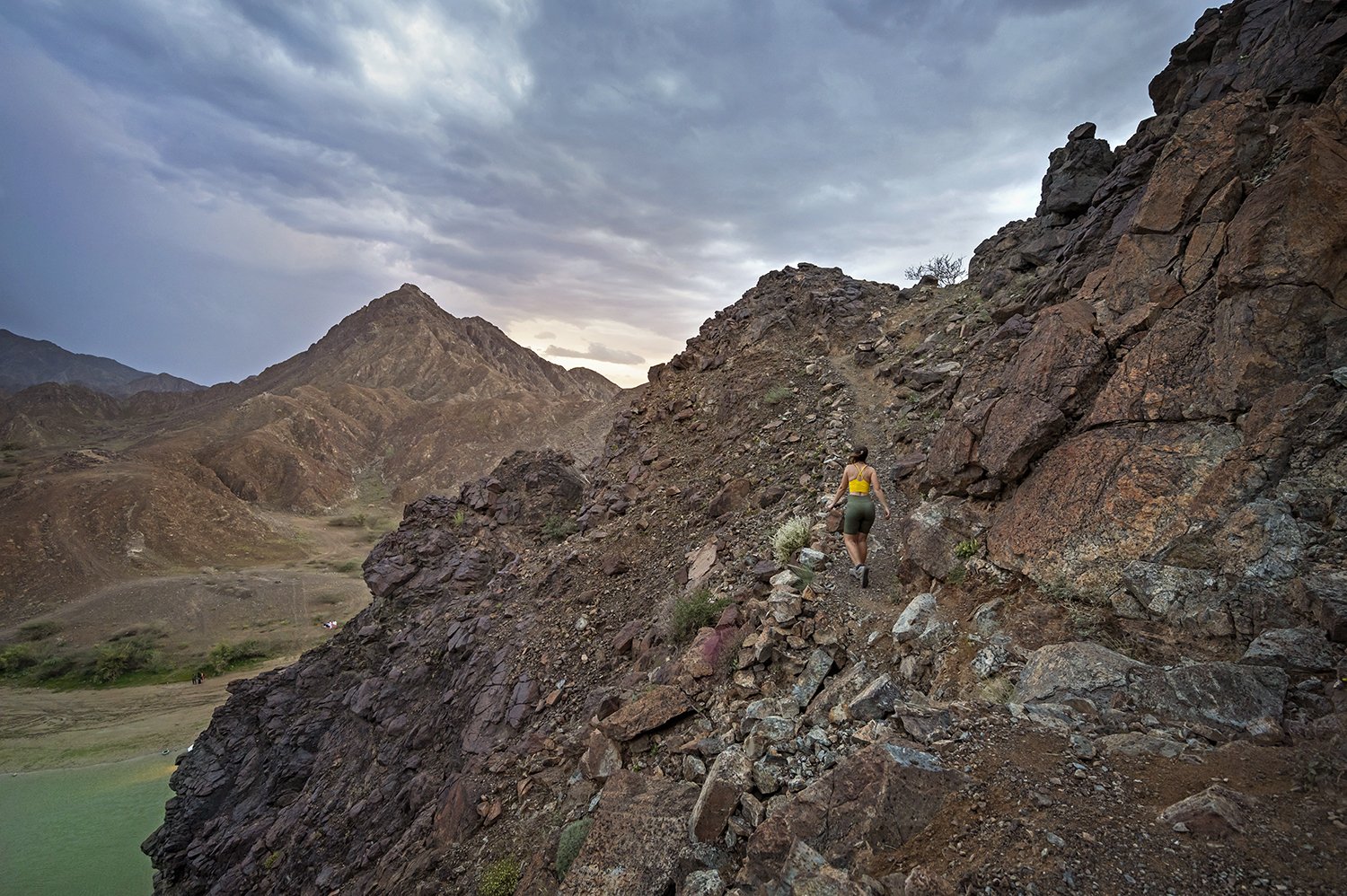
Wadi Shawka hike difficulty ranges from easy to moderate, with most trails rated intermediate due to uneven rocky terrain and gradual elevation gains of 100–200 meters. Valley floor loops suit beginners and families, requiring minimal fitness for 1–2 hour walks on compacted dirt. Ridge ascents demand moderate endurance and sure footing over loose stones, typically taking 2–3 hours. No technical climbing or scrambling skills are necessary, though sturdy footwear and heat tolerance are essential year-round.
The Hajar foothills present a paradox: trails that look tame from the parking area reveal their character only after the first kilometer. Wadi Shawka's routes follow ancient shepherd paths and seasonal drainage channels, where smooth stretches give way without warning to ankle-testing boulder fields. The wadi shawka hike difficulty stems less from steepness than from surface variability. Valley routes follow the dry riverbed over compacted sand and small stones—manageable for anyone who walks regularly. But ridge trails, which climb the flanking hillsides for panoramic views of the dam and northern Hajar range, demand constant micro-adjustments in foot placement. Loose scree on descents tests knees and balance. Summer heat compounds every challenge; a moderate winter trail becomes genuinely taxing at midday in July. Fitness requirements are forgiving by mountain-hiking standards. Most visitors complete the popular dam loop in under two hours, pausing frequently for photos of the turquoise reservoir. Longer routes to higher viewpoints add another hour and 100 meters of climbing—enough to elevate heart rates but not enough to require altitude acclimatization or advanced conditioning. Families with children over eight manage the easier circuits without issue, provided everyone carries water and starts early. Terrain knowledge matters more than trail maps here. Gravel gives better purchase than it appears; flat limestone slabs, worn smooth by centuries of runoff, require deliberate weight shifts. Gaiters prevent pebbles from infiltrating shoes. Trekking poles prove useful on descents but feel superfluous on ascents, where hands stay free for balance adjustments. The wadi tests decision-making as much as stamina—choosing when to push higher versus turning back before heat peaks, reading which washes offer stable footing versus crumbly edges. Local hikers return weekly, building route familiarity that flattens the difficulty curve. First-timers should budget extra time for navigation and conservative pacing. The rock underfoot teaches patience, and the emptiness between ridges rewards it.
“The wadi tests decision-making as much as stamina—choosing when to push higher versus turning back before heat peaks.”
Understanding Wadi Shawka Hike Difficulty and Terrain
Wadi Shawka's difficulty varies by route: the dam perimeter offers flat, easy terrain suitable for families, while rocky upper trails demand moderate fitness and scrambling experience. Most visitors complete a 2–4 hour loop depending on how far they venture into the wadi channels.
Assess your fitness level
Beginners should stay on the dam loop and lower wadi floor, which require minimal elevation gain. Experienced hikers can tackle the rocky ridge climbs and narrow canyon passages that involve loose gravel and basic scrambling.
Start on the dam path
The paved and graded sections around the dam provide flat, accessible terrain with clear sight lines. This segment serves as a warm-up and turnaround point for those testing their comfort level.
Navigate the wadi floor
Beyond the dam, the trail transitions to packed dirt and scattered rocks with gentle inclines. Expect uneven footing and occasional loose stones, but no technical climbing.
Attempt ridge ascents selectively
Side trails leading to viewpoints involve steep, rocky sections with exposed terrain and minimal shade. These segments triple the effort compared to the lower trails and require stable footwear and confidence on uneven surfaces.
Monitor your exertion and hydration
The combination of sun exposure, dry air, and variable inclines accelerates fatigue. Turn back when you've used half your water or energy, not when supplies run out.
Essential Gear to Reduce Wadi Shawka Hike Difficulty
Proper preparation minimizes physical strain and heat exposure on the rocky Wadi Shawka trails.
-
Wear closed-toe hiking boots or trail shoes — The terrain includes loose gravel, sharp rocks, and uneven wadi beds that require ankle support and grip.
-
Bring 2–3 liters of water per person — No water sources exist on the trail, and dehydration significantly increases perceived difficulty in the heat.
-
Pack high-SPF sunscreen and a wide-brimmed hat — Shade is minimal along exposed ridges and dam areas, especially after 10:00.
-
Carry a small first-aid kit with blister supplies — Rocky descents and longer loops often cause foot blisters that can cut hikes short.
-
Download offline maps or trail GPS tracks — Mobile signal is unreliable in the wadi, and several unmarked junctions can confuse first-time hikers.
-
Arrive between 06:00 and 09:00 — Early starts avoid peak heat and secure parking before the trailhead becomes crowded.
Admission and Wadi Shawka Hike Difficulty
Wadi Shawka is a public area that does not charge an entrance fee for visitors. Because the site is open to the public without admission costs, there is no professional trail maintenance or staff-monitored difficulty grading provided.
Visitors pay 0 AED for entry, as the area remains a free public space with no ticketed tiers.
Access Hours for Wadi Shawka Hike Difficulty Planning
Wadi Shawka is accessible at all hours throughout the week, allowing hikers to plan their trips around cooler periods. This 24/7 access supports flexible scheduling for those managing hike difficulty through timing.
| Monday | 00:00–23:59 | |
|---|---|---|
| Tuesday | 00:00–23:59 | |
| Wednesday | 00:00–23:59 | |
| Thursday | 00:00–23:59 | |
| Friday | 00:00–23:59 | |
| Saturday | 00:00–23:59 | |
| Sunday | 00:00–23:59 |
Reaching the Trailhead for Wadi Shawka Hike Difficulty
Wadi Shawka is located in the Ras Al Khaimah region of the United Arab Emirates. The most reliable way to reach the trailhead is by private vehicle as there is no public transport infrastructure servicing the immediate vicinity.
E611 (Sheikh Mohammed Bin Zayed Road) to E55 toward Shawka
Direct hire to Wadi Shawka, Ras Al Khaimah
Check availability
Frequently Asked Questions About Wadi Shawka Hike Difficulty
Everything you need to know about wadi shawka hike difficulty